
Land Transport
BOBCAT
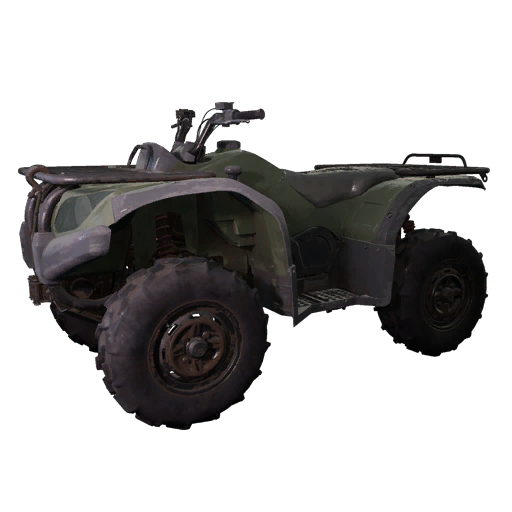
- Cost
- $500
- Track
- Driver
- Seats
- 2
- Armour
- -92.5%
- Speed
- 75 km/h
- Unlock
- —
Every weapon, vehicle and piece of gear observed in the build, with in-match purchase cost and progression gates. 77 records, filtered by what you came for.
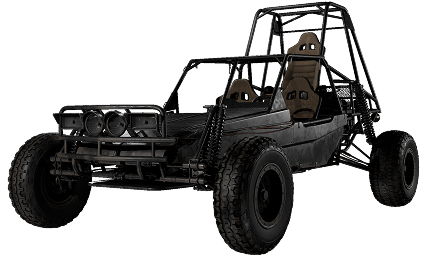
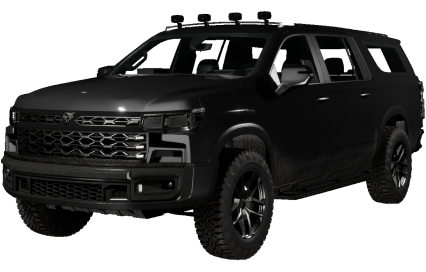
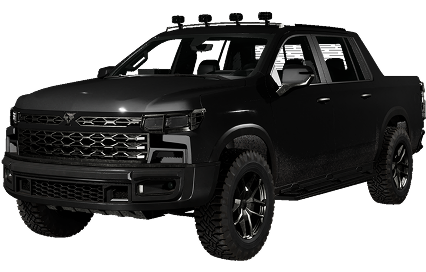
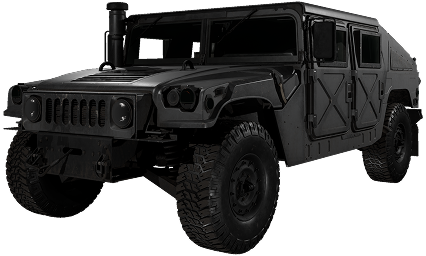
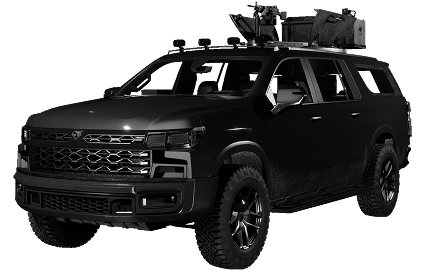
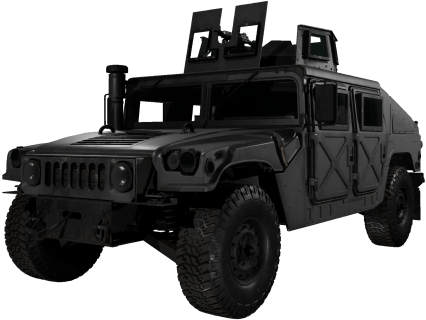
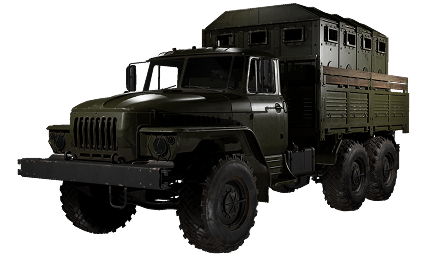
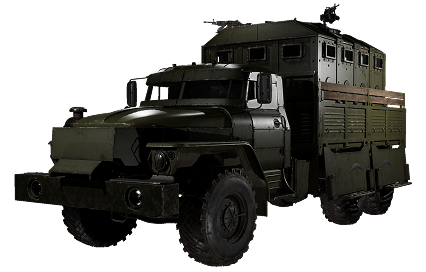
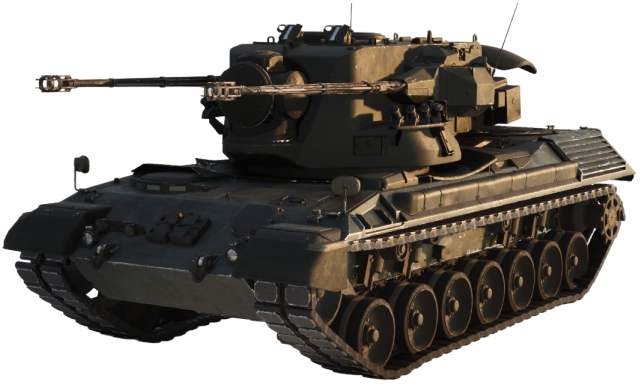
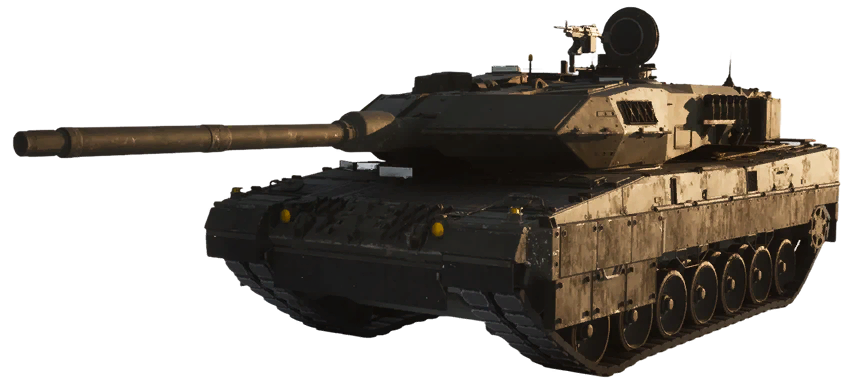
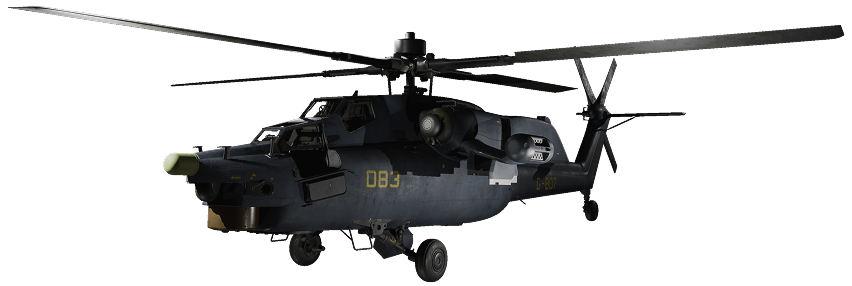
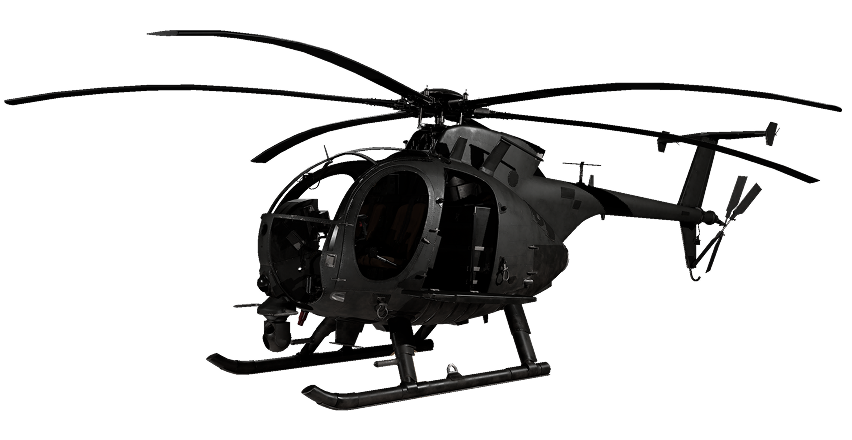
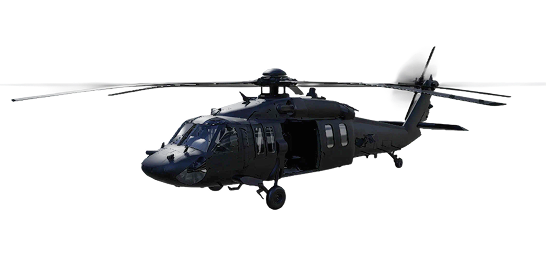
Seats, top speed and armour are recorded where a source publishes them and left blank where none does; armament is not recorded. Stats as of Beta 2 - 3 September 2026.
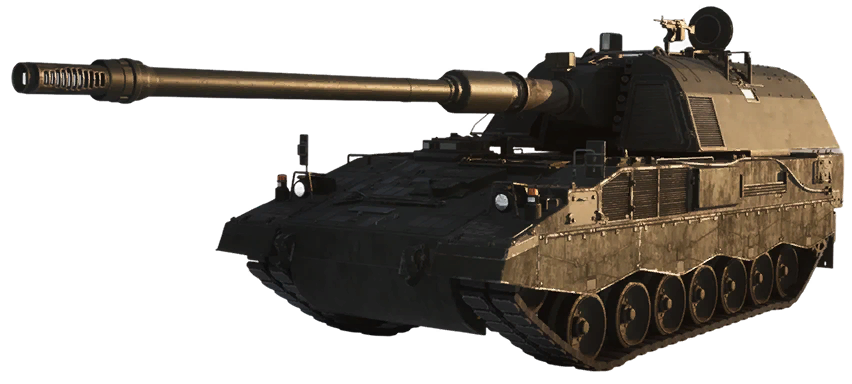
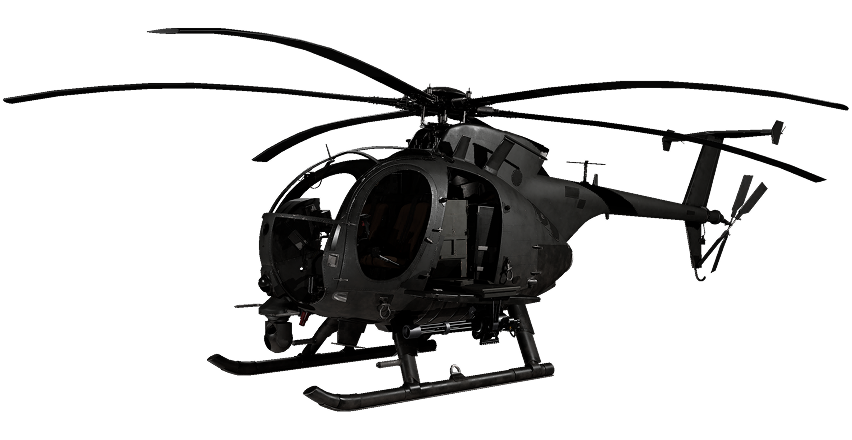
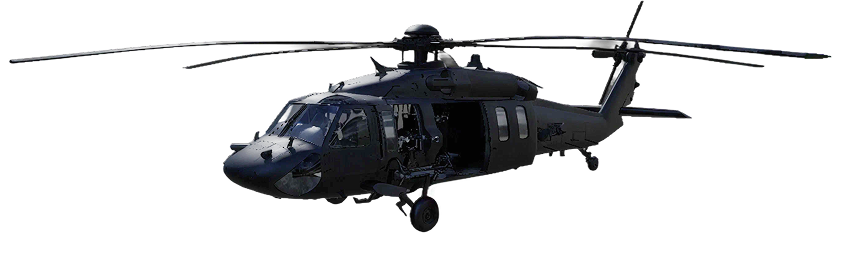
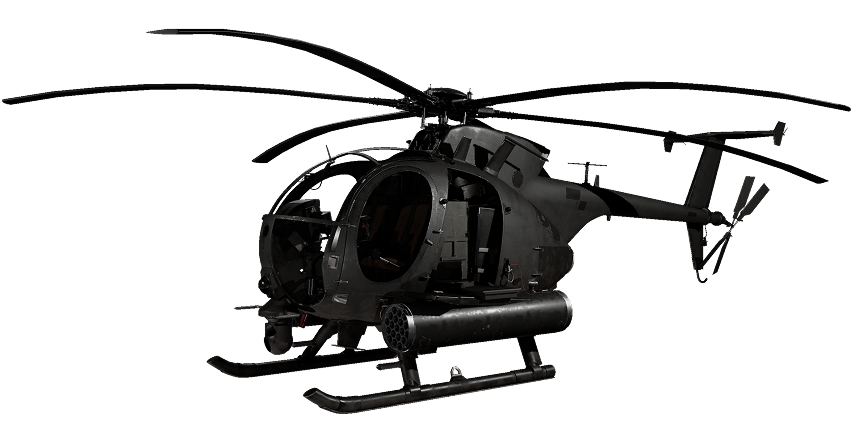
WARDOGS includes 20 vehicles across 5 classes: Land Transport, Tank, Artillery, Air Combat, and Air Transport. Prices run from $500 for the BOBCAT to $18,000 for the HAVOC — a spread of more than thirty to one. These are not variants of a single purchase; they are fundamentally different tools.
The map is 256 km². That one fact defines the entire vehicle economy.
A cheap vehicle beats no vehicle by a larger margin than an expensive vehicle beats a cheap one. Crossing this map on foot costs minutes you could have spent inside the contested 2×2 km zone — and because the zone spawns randomly, the walk changes every match. Mobility is not a luxury; it is the baseline.
Only 12 vehicles have a cargo bed. Tanks, artillery pieces and attack helicopters cannot carry crates at all. An armed vehicle depends on an unarmed one to keep shooting.
This makes trucks a role, not a consolation prize. They are the backbone of logistics, and the logistics guide breaks down exactly what each bed can carry.
Loadout gear you extract with is mostly refunded. A vehicle abandoned in a field is gone.
Price a vehicle against how likely you are to still have it at the end of the round — not against its peak performance. A tank that dies early is more expensive than a truck that lives.
Class tells you the role, and the role is the purchase:
Buying across classes is how a squad covers ground. Buying within a class is how an individual specialises.
Neither is wrong — but they are different plans, and you should know which one you are committing to.